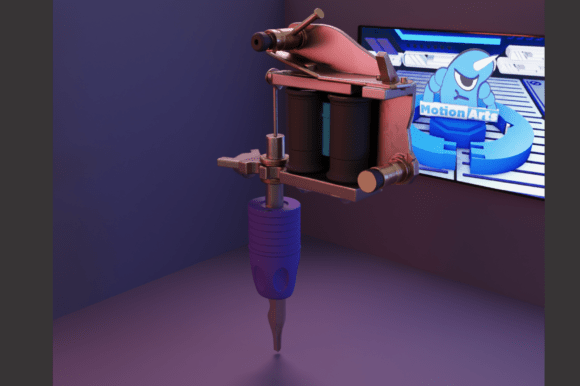
Tattoo Machine: 3D Model for Artists & Enthusiasts
Bring the raw energy of the tattoo studio into your physical space with this meticulously crafted 3D model. More than just a digital file, this Tattoo Machine STL is a tribute to an iconic tool of self-expression, designed for creators who appreciate the artistry behind the ink. Whether you're a seasoned 3D printing hobbyist, a tattoo artist looking for unique studio decor, or a collector of subculture memorabilia, this model offers a tangible piece of tattoo culture.
Inspired by the classic coil tattoo machine, the design captures the authentic weight, intricate wiring, and industrial charm of the real thing. It’s a versatile asset that goes beyond a simple print. Imagine it as the centerpiece of a themed collection, a standout piece on a studio shelf, or a thoughtful, personalized gift for an artist friend. The visual impact is undeniable—it’s a symbol of rebellion, craftsmanship, and personal narrative.
Creative Applications for Your 3D Print
The true value of this digital asset lies in its flexibility. Once printed, it can serve numerous creative and practical purposes. Consider using it to:
- Decorate a creative space: Add authentic character to a tattoo studio, art room, or home office.
- Enhance a collection: Build a unique display alongside other models of artistic tools or cultural icons.
- Create unique merchandise: With the appropriate license, you could produce small batches for sale at conventions or online.
- Develop educational materials: Use the model as a visual aid to explain the mechanics of traditional tattooing.
The model is engineered for easy printing, designed to preserve its rich details across various scales and printer settings. This attention to printability ensures that the final result is as impressive as the digital preview, whether you choose a small desktop piece or a larger statement model.
Tips for a Successful Print
To get the best results from your Tattoo Machine file, a few considerations will help. First, always review the model in your slicer software to check for any overhangs that might need supports. Printing at a smaller scale may require finer layer heights to capture the subtle details of the screws and coils. For the most authentic look, consider using a metallic PLA or ABS filament. After printing, a careful sanding and a coat of metallic paint can elevate the model from a print to a realistic replica.
This digital 3D model, generated with advanced AI design tools, offers a fantastic starting point for your project. Remember that final printed results can vary based on your specific 3D printer, chosen materials, and slicer configurations. Some models may require basic supports or minor adjustments during the printing process.
Choosing a well-designed digital asset like this one provides a foundation for creativity. It allows you to focus on the finishing touches—painting, assembling, and displaying—rather than the technicalities of modeling from scratch. It’s a practical and inspiring addition to any maker’s library, bridging the gap between digital design and physical artistry.